Common Health Issues in Cats and How to Spot Them Early
Cats are masters at hiding illness, a trait inherited from their wild ancestors. This instinct can make it challenging for owners to recognize when something is wrong. However, early detection is crucial for managing many chronic conditions effectively. By observing subtle changes in behavior, appearance, and routines, pet owners can identify potential health issues before they become serious. This article explores three common feline health concerns—kidney disease, dental problems, and obesity—and provides guidance on recognizing their early signs and knowing when to consult a veterinarian.
Understanding the typical signs of illness in cats empowers owners to take proactive steps. Regular observation and routine veterinary check-ups are fundamental to maintaining a cat’s well-being. While some signs may be subtle, others are more noticeable. Being attuned to your cat’s normal habits and appearance is key. The following sections outline what to look for in each condition and emphasize the importance of professional evaluation.
Kidney Disease: Subtle Signs of a Silent Condition
Chronic kidney disease (CKD) is a common condition in older cats, but it can also affect younger ones. The kidneys gradually lose function over time, and signs often appear only after significant damage has occurred. Early detection can slow the progression and improve quality of life. Observing changes in drinking and urination habits is crucial. Increased thirst and more frequent urination are often the first noticeable signs. You might see your cat spending more time at the water bowl or using the litter box more often, sometimes with larger clumps. As the disease advances, other signs may include weight loss, poor appetite, dull coat, and lethargy. Vomiting and bad breath may also develop. However, these signs are not specific to kidney disease and can indicate other conditions. Therefore, monitoring your cat’s water intake and litter box habits is essential. If you notice any significant changes, a veterinary visit is recommended. Blood and urine tests can assess kidney function and help establish a baseline for future monitoring.
Dental Problems: More Than Just Bad Breath
Dental issues are prevalent in cats, with many showing signs of periodontal disease by age three. Plaque and tartar buildup can lead to gingivitis, tooth loss, and pain. Cats often hide dental discomfort, so owners must be vigilant. Early signs include bad breath, which is often the first indicator. Other signs may include drooling, difficulty eating, pawing at the mouth, or a change in chewing habits. You might also notice red or bleeding gums, or a buildup of brownish tartar on the teeth. Cats with dental pain may eat less, drop food from their mouths, or become irritable. Since dental disease can lead to more serious health issues, such as heart or kidney problems, regular dental check-ups and professional cleanings are important. At home, introducing a dental care routine, such as brushing or using dental treats, can help, but it should not replace professional care. If you observe any signs of oral discomfort or changes in your cat’s eating behavior, a veterinary examination is advisable.
Obesity: A Growing Concern with Hidden Risks
Obesity is a common nutritional disorder in cats, affecting an estimated 60% of domestic felines. Excess weight can predispose cats to diabetes, arthritis, and other health problems. Unlike kidney disease and dental issues, obesity is often visible, but owners may overlook gradual weight gain. Regular weight checks and body condition scoring can help detect obesity early. Signs to watch include a lack of a defined waist, difficulty feeling the ribs, and a sagging belly. Behaviorally, obese cats may be less active, sleep more, and show reluctance to jump or play. They may also have difficulty grooming themselves, leading to a matted coat. Managing a cat’s weight involves a combination of diet and exercise. However, sudden changes in weight can indicate underlying health issues, so it is wise to consult a veterinarian. A vet can help design a safe weight loss plan, as abrupt calorie restriction can be harmful. They can also rule out medical causes of weight gain, such as hypothyroidism. If your cat is overweight or obese, discussing a weight management strategy with your veterinarian is recommended to reduce health risks.
The Veterinarian’s Role in Early Detection
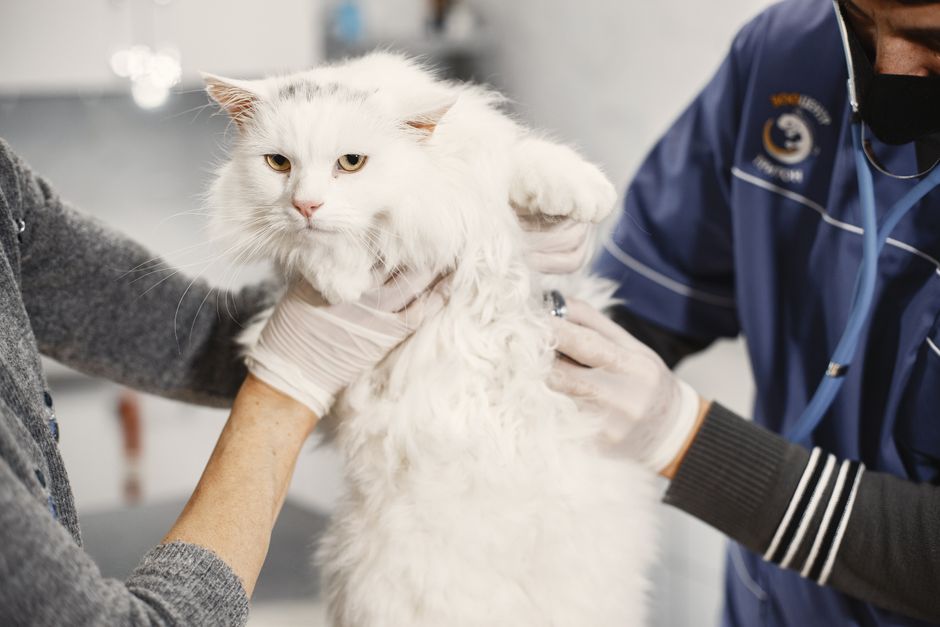
Regular veterinary check-ups are a cornerstone of preventive health care. During examinations, veterinarians can detect subtle abnormalities that may not be noticeable to owners. They can perform thorough physical exams, including dental evaluations and weight assessments. For kidney disease, blood tests can reveal elevated levels of creatinine and BUN, indicating impaired kidney function. For dental problems, a visual exam may be followed by dental X-rays to assess the health of tooth roots and supporting structures. For obesity, vets can calculate body condition scores and provide guidance on nutrition and exercise. Early detection allows for intervention that can slow disease progression and improve quality of life. It is important to note that early treatment does not guarantee a cure, but it can manage symptoms and delay the onset of more severe complications. If you notice any signs of illness or worrying changes in your cat, do not wait for the next scheduled check-up. Prompt veterinary consultation is always the best course of action.
Observing Your Cat: Tips for Home Monitoring
As a cat owner, you are uniquely positioned to notice changes in your cat’s health. Establishing a routine of daily observation can help you detect early signs. Pay attention to your cat’s eating and drinking habits, litter box usage, activity level, and interaction with you. Regularly handle your cat to feel for lumps, bumps, or areas of tenderness. Check the mouth for redness, swelling, or tartar buildup, but be cautious as cats may not tolerate this. Weigh your cat regularly using a bathroom scale, recording the weight to track trends. Monitor the quantity of food eaten and the amount of water consumed. Changes in these baselines can be early indicators of health issues. Behavioral changes, such as increased vocalization, hiding, or aggression, can also signal discomfort or illness. keep a journal of any observations, and share them with your veterinarian during visits. By being observant and proactive, you can play a critical role in your cat’s health.
Early detection of health issues in cats requires a combination of owner vigilance and regular veterinary care. While some signs may be subtle, they are often detectable with careful observation and routine check-ups.
When to See the Vet: Guidelines and Considerations
Knowing when to consult a veterinarian is essential. While some signs may warrant immediate attention, others can be addressed during scheduled visits. If you notice any sudden or severe signs, such as difficulty breathing, inability to urinate, or seizures, seek emergency veterinary care. For more subtle changes, such as increased thirst or weight gain, it is advisable to schedule a non-emergency appointment. However, it is important not to delay if you are concerned. Many conditions are more manageable when caught early. During the visit, be prepared to describe the changes you have observed, including their duration and frequency. This information helps the veterinarian make an accurate diagnosis. Be open to discussing diagnostic tests, as they can provide valuable information. Remember that your veterinarian is your partner in your cat’s health, and following their recommendations is crucial. However, it is also essential to ask questions and understand the rationale behind proposed treatments. With timely veterinary care and attentive home monitoring, you can help your cat live a healthier, more comfortable life.